MicroLED displays maintain momentum, says Yole
 Cette publication existe aussi en Français
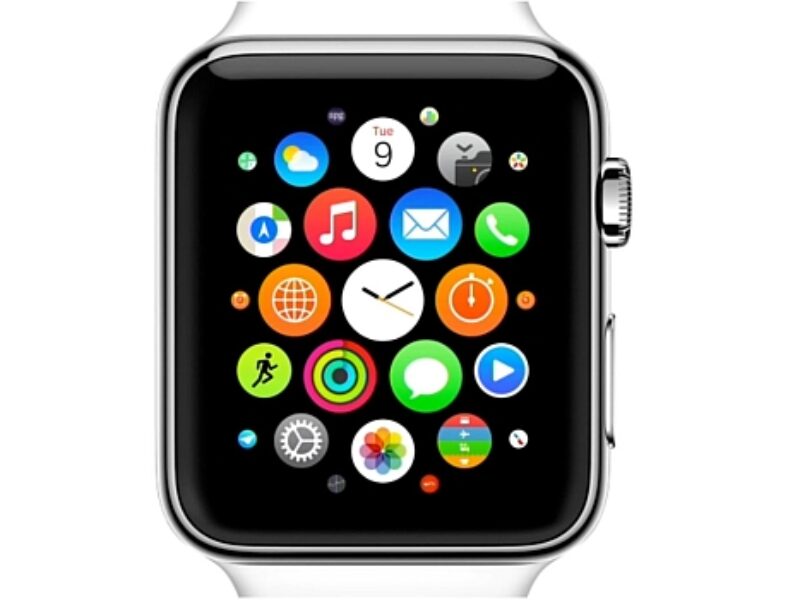
The microLED display sector is still a vibrant R&D environment despite the cancellation of a key Apple project – reportedly for an Apple watch – late in 2022.
It was expected that while OLED would continue to penetrate the smartphone market microLED could gain a commercial market in smaller-sized displays and gradually moves it way up through display sizes as it achieved economies of scale.
With Apple’s pull back some companies have pulled back from the market (see Apple blow makes AMS-Osram re-assess microLED strategy) others are accelerating their efforts, taking advantage of less competition. Alliances are forming along geographic lines, with around thirty fabs or pilot lines still moving forward, according to analysis firm Yole Group.
Nonetheless microLED sector needs technical advances in die technology and transfer equipment if it is to offer a significant performance uplift at a cost comparable to OLED. It probably needs to do this gain design wins from OLED in larger display formats such as smartphones. It also needs its supply chain to coalesce and become complete.
“The industry now faces the challenge of moving from proof-of-concept to mass production. It must prove it can deliver high-performance, defect-free displays at scale while achieving economies of scale to remain viable,” said Eric Virey, a display market analyst at Yole, in a statement.
MicroLED’s immediate growth driver is LEDoS microdisplays for augmented reality, with AI reigniting optimism after the “AR winter” of 2021 to 2023.
AUO is supplying samples of microLED displays to Tag Heuer and Garmin while Century Display is setting up a microLED display pilot line. For now OLED dominates in design wins for smartwatches and without Apple no company seems capable of pushing the microLED forward into smartphones.
OLED and miniLED overshadow microLED in TVs, although there is potential for microLED to be used in ultra-large screens over 100 inches, Yole said. Similarly there are potential sales into automotive applications but high costs and an immature supply chain are delaying adoption.
The closure of Osram’s microLED fab and Apple’s exit means microLED faces a chicken-and-egg dilemma: high volume is needed to drive down costs but lower cost is needed to drive demand.
Related links and articles:
News articles:
MicroLED display assembly startup VueReal to build pilot line
Compound semiconductor veterans back microLED startup Kubos
Apple blow makes AMS-Osram re-assess microLED strategy
 If you enjoyed this article, you will like the following ones: don't miss them by subscribing to :